
FREE Declutter Checklist
To accompany this blog, I made a minimalist decluttering checklist. Download it for free here!
No Time to Declutter?
Have you ever thought, “I don’t have time” when thinking about decluttering your home? I’ve been there many times.
In fact, decluttering can also be done without spending whole weekend.
I love to share a realistic decluttering checklist that gives you clear results without the stress of regret or feeling like you’re wasting time.
I will cover the ten easiest but most infamous items you can remove today.
| Stage 1 | Items that are clearly just junk |
| Stage 2 | Items that don’t fit right in daily life |
Stage 1: Items That Go Straight to the Bin
Things that have actually reached the end of their use and are only taking up space.
Level 10. Deteriorated Items
Spend a couple of minutes and have a good look around for anything really worn out or mucky. All things with dust and mould must go, so start from there. Just only pick things you cannot put your finger on… (Ignore the rest for now)
Then things that have passed their realm, like toothbrush with splayed bristles? But you already have a new one.
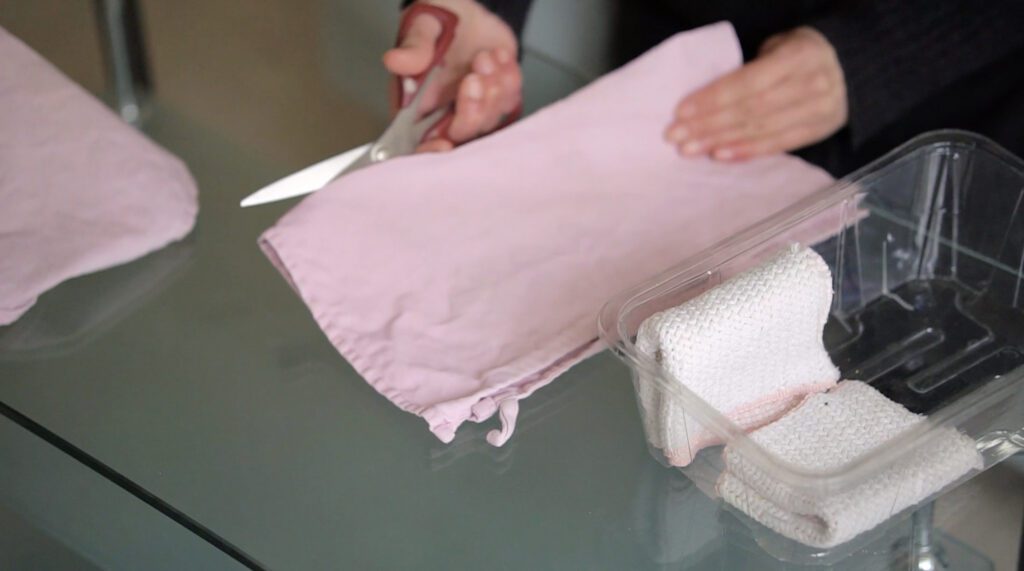
Level 9. Broken Items (With no mending plan)
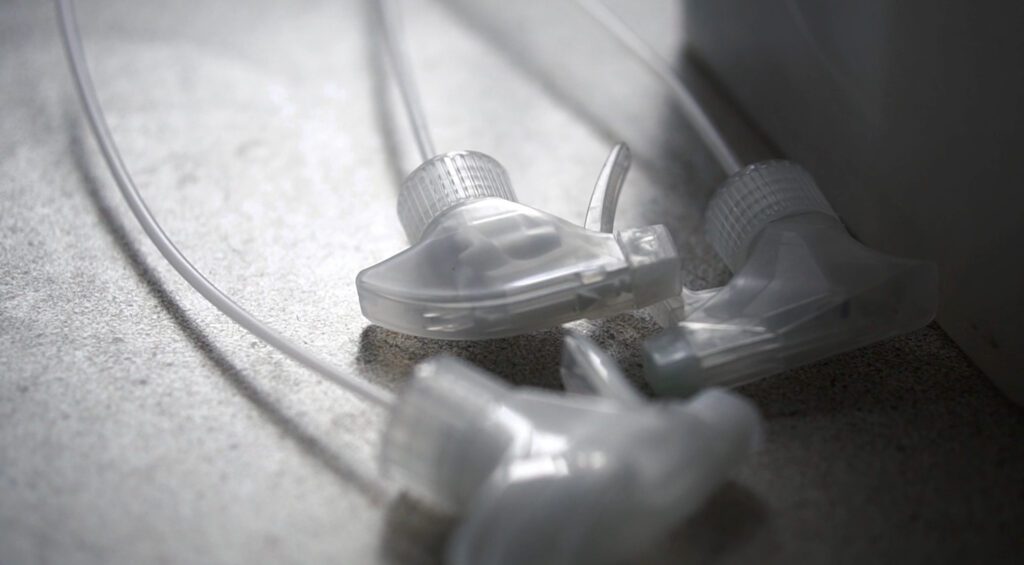
We’ve likely all got something with a broken bit we meant to mend. Perhaps you’ve tried to glue a handle back on, but it didn’t work. Tried to stitch back your purse but it keeps coming off. If you can fix them and revive them, it’s fantastic, but if you keep them indefinitely without being willing to fix them, they’re just gathering dust.
If you have no plan to fix it, then let go and move on. Not “maybe one day” .
Level 8. Expired Products and Allergens
Have a look through your cupboards and drawers for anything past its expiry date. Cosmetics can cause skin irritation or damage. It’s not worth the risk.
It’s also important to remove things that have caused allergic reactions even once in the past, such as certain cleaning products, skincare creams, cleansers, or even jewellery.
If you know something triggers an allergy, it’s best to remove it to avoid future health issues.
In the past, I kept on using expired face cream and caused skin rash without realising it was the cause.
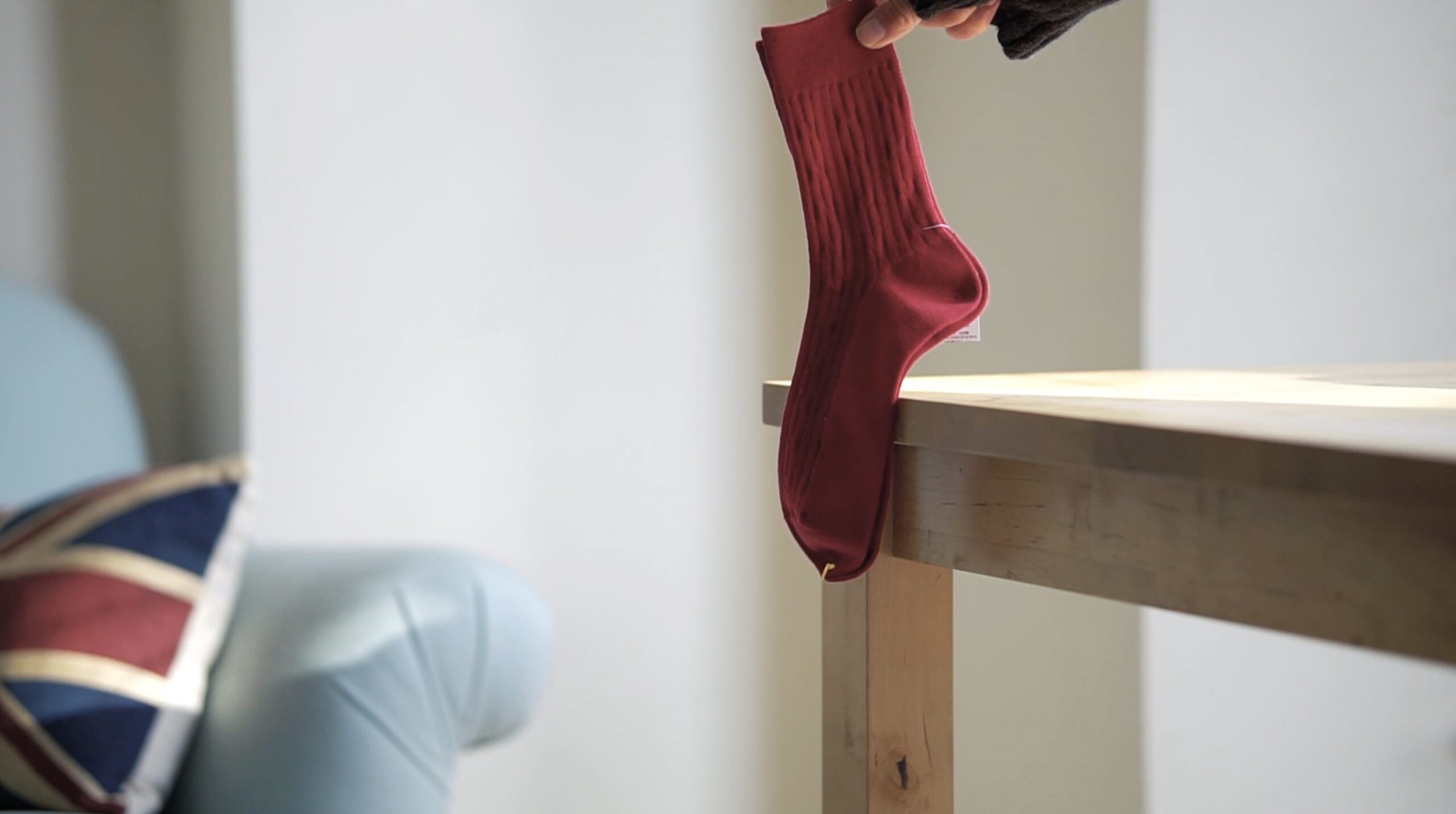
Level 7. Partly Missing Pairs
How many odd socks are lurking in your sock drawer? Or food containers with missing lids? While old socks can be useful for polishing shoes, and a lidless container might help organise drawers, have a plan for how many you’ll use for this purpose.
The rest can go, no need to collect everything “just in case”.
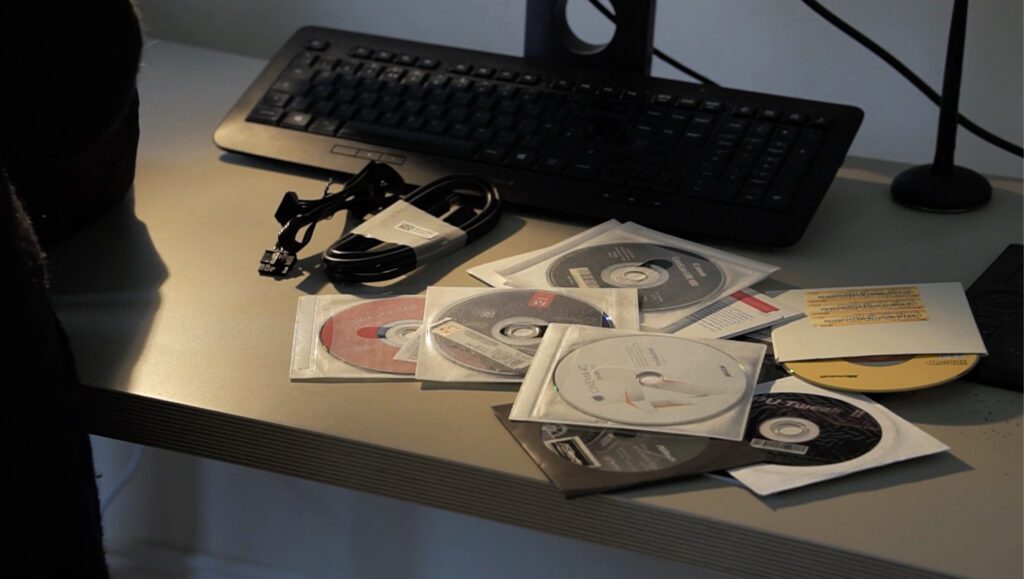
Level 6. Forgotten Items
Remember those legacy software discs from decades ago that you haven’t seen for ages? Or that random cable you can’t identify or that no longer connects to any of your devices?
Have you ever read that book behind the shelf, or are you planning to? Have you opened that mystery box? Did you find anything sitting in the back of the closet?
If something has been forgotten for a significant period, review whether it actually fits into your life now. If not, It’s time to let it go.
Stage 2: Items That No Longer Serve Your Life
For things that aren’t rubbish but don’t help, don’t fit your routine, or just make life harder.
Level 5. Things That Doesn’t Make Sense
Have you found uncertain bits and pieces that make you think, “What is this for?” or “Why did I even keep this?”
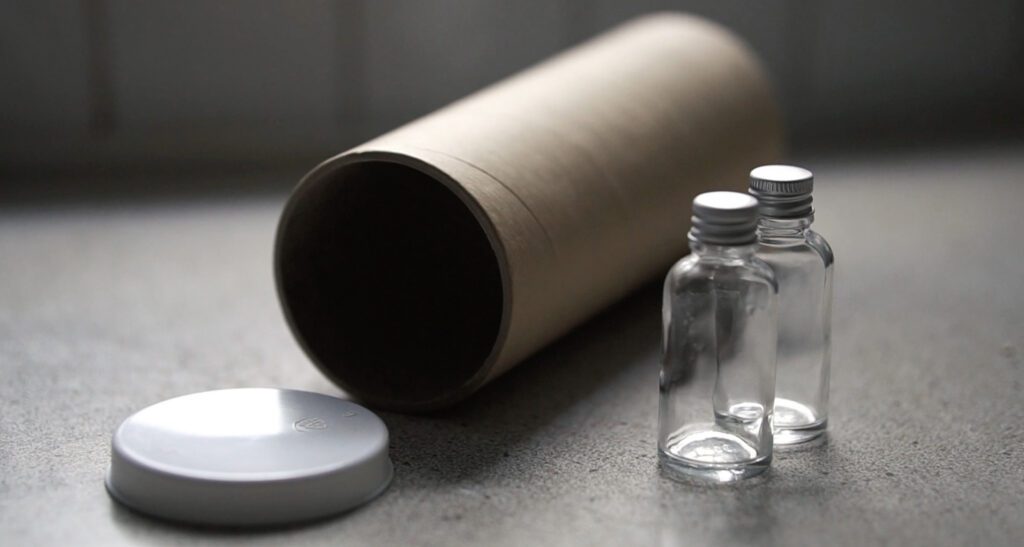
Empty bottles and pretty boxes often fall into this category. If you just question “Why?” , it’s a clear sign for removal.
Level 4. Paper Clutter
Paper clutter can build up surprisingly quickly, creating visual chaos without you knowing it. Wrapping paper can be useful to repurpose, but you need a clear reuse system and limited dedicated space to keep only what you’ll actually use (and soon).
Nowadays, many instructions are online or in digital format so don’t need to be kept as physical paper, including brochures etc. Consider what paper items you really need to retain.
I would keep anything that contains a wet signature, validation certificate, or handwritten dates but the rest can go either to reuse, recycle, or bin.
Level 3. Things That Evoke Bad Memories
Sometimes possessions are linked to moments in our lives, both positive and negative. Perhaps you’ve kept an item from a difficult time, like a hospital stay due to overwork.
These items not only take up space but also affect your mental well-being. It might be time to tell yourself it’s time to move on. If an item consistently brings up negative feelings, letting it go can be a positive step.
If you like that item, it might be difficult, but you’ll be surprised how much your feelings will change by facing it and doing so.
Most importantly, listen to your gut and be kind to yourself.
Level 2. Regret Buys & Freebies
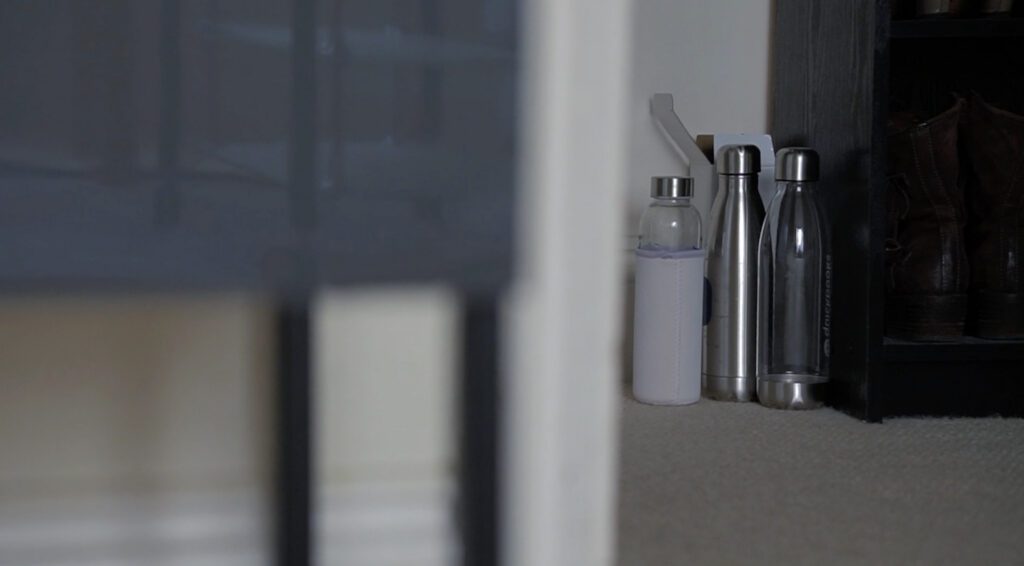
We’ve all made purchases we later regretted or picked up free items that aren’t really our style or needed. Funky socks that were never worn, Christmas jumpers, free water bottles with company logos, or that unused household gadget from your relative.
Don’t feel obligated to keep things just because they were given. Showing appreciation is not actually keeping them, in fact, you already appreciated them when you received them.
You don’t have to make up for everything you’ve paid for. Once you own it, it’s yours to decide whether to keep it or not. No strings attached.
Level 1. Items That Are Hard to Use
Life’s too short to struggle with difficult things. Simple living means eliminating unnecessary friction from your daily routines.
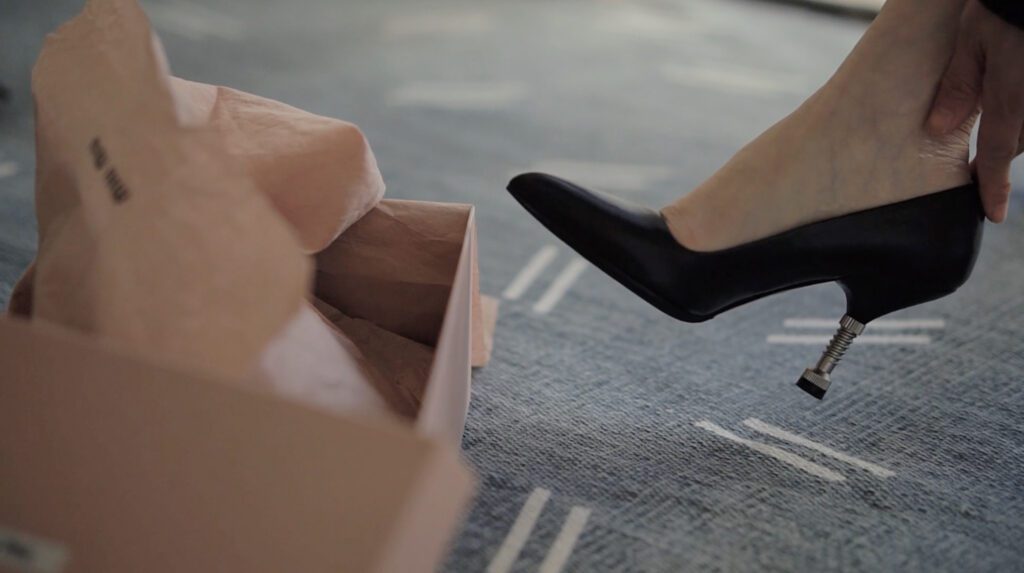
Items that are fiddly or difficult to use. Kitchen tools with too many steps, a slippery pouch that takes too much effort to close, painful shoes…
No need to hang on to frustrating items. Just don’t buy the same ones again.
First Step To A Clutter-Free Home
Starting your decluttering process from scratch might feel daunting.
The key is to focus on the easiest task you can handle right at that moment and start with the smallest tasks. Celebrate every level of accomplishment at each stage.
Rather than just thinking about what to discard or if you like them, evaluate how each item fits into your minimalist lifestyle.
Do your items really make your life easier, or are they creating more work?
PRE-DECLUTTER Checklist
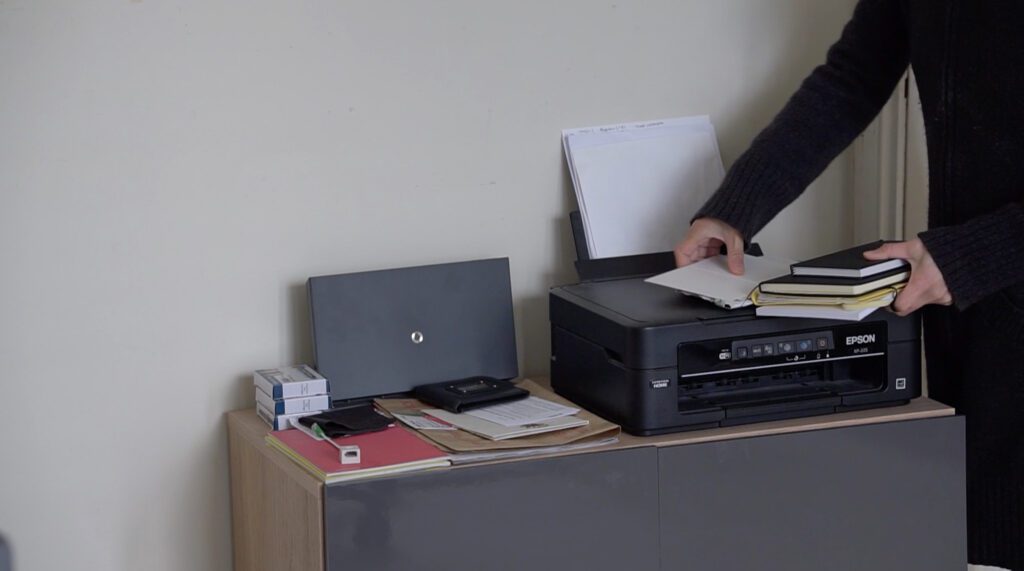
I’ve made a little tool to help you guide your own Space Reset and stay on track. Something you can do before major decluttering. I hope it’s useful.
Download your FREE Minimalism Pre-Decluttering Checklist here! 👉
Final Tip:
It’s best to remove decluttered items from your home promptly. When you see even small cleared spaces, it provides visual proof of your progress toward minimalist living.
These first decluttering steps can transform your living space and mindset, focusing on creating room for things you truly value while eliminating what doesn’t serve you.
I hope this decluttering checklist helps you begin your journey toward your precious and intentional lifestyle.
For a detailed visual walkthrough of these decluttering tips, please visit One Minimal Life Youtube Channel : Minimalism Decluttering For Beginners | The First 10 Things You Must Let Go


